Semana Santa: A Journey Through Holy Week
Semana Santa, or Holy Week, is the most solemn week in the Christian calendar. It commemorates the final week of Jesus Christ’s life, from his triumphant entry into Jerusalem to his crucifixion and resurrection. This article explores the theological, historical, and practical dimensions of Semana Santa, inviting readers to deepen their understanding and experience of this sacred time.
The Biblical Roots of Semana Santa
Semana Santa is deeply rooted in the biblical narrative of Jesus’s Passion. Each day of the week recalls specific events leading to the crucifixion. Palm Sunday marks Jesus’s arrival in Jerusalem, fulfilling prophecies of the Messiah’s entry. The Gospels (Matthew 21:1-11, Mark 11:1-11, Luke 19:28-44, John 12:12-19) describe the crowds welcoming him, waving palm branches and shouting praises. This event foreshadows both Jesus’s kingship and his impending suffering.
Maundy Thursday commemorates the Last Supper, where Jesus shared a final meal with his disciples. During this meal, he instituted the Eucharist (Communion), a lasting symbol of his sacrifice. The Gospels (Matthew 26:17-30, Mark 14:12-26, Luke 22:7-38, 1 Corinthians 11:23-26) detail Jesus’s words and actions, including the washing of the disciples’ feet, demonstrating humility and service. He also predicted his betrayal and Peter’s denial, highlighting the human frailty amidst divine purpose.
Good Friday marks the day of Jesus’s crucifixion. The Gospels (Matthew 27, Mark 15, Luke 23, John 19) recount the events of Jesus’s trial, suffering, and death on the cross. This day is observed with solemnity, as Christians reflect on the immense sacrifice Jesus made for the redemption of humanity. Theologically, Good Friday underscores the reality of sin and its consequences, as well as the depth of God’s love and mercy.
Easter Sunday celebrates the resurrection of Jesus Christ from the dead. The Gospels (Matthew 28, Mark 16, Luke 24, John 20) proclaim the empty tomb and the appearances of the risen Christ to his disciples. The resurrection is the cornerstone of Christian faith, signifying victory over sin and death, and offering the promise of eternal life to all who believe.
Historical Context and Development
The observance of Holy Week developed gradually in the early Church. While the first Christians focused on the celebration of the Lord’s Day (Sunday) as the day of resurrection, the events of the Passion Week soon gained prominence. By the fourth century, specific days of Holy Week were commemorated with special liturgies and practices. The term “Semana Santa” itself became common in Spanish-speaking countries, reflecting the cultural and religious significance of this week.
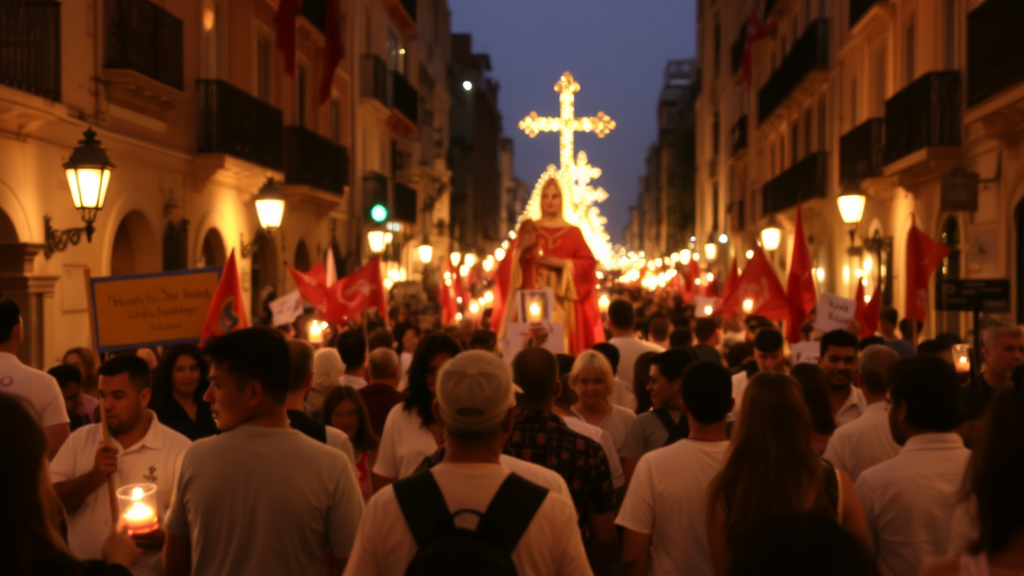
Different Christian traditions developed unique ways of observing Semana Santa. In some cultures, elaborate processions with religious images and statues are central to the celebration. These processions often involve entire communities and serve as public expressions of faith and devotion. Passion plays, reenacting the events of Christ’s Passion, are also common in some regions. These performances provide a visual and emotional connection to the biblical narrative.
Over time, the traditions of Semana Santa have evolved, reflecting the diverse cultural contexts in which Christianity has taken root. However, the core focus remains on the events of Jesus’s Passion and their significance for Christian faith and life.
Practical Applications and Reflections
Semana Santa offers a unique opportunity for spiritual reflection and renewal. As Christians journey through the events of Holy Week, they are invited to consider the meaning of Jesus’s sacrifice and its implications for their own lives. This is a time to deepen one’s relationship with God, to examine one’s own sinfulness, and to embrace the forgiveness and new life offered through Christ.
Practical ways to observe Semana Santa include:
- Attending church services and participating in liturgical celebrations.
- Engaging in personal prayer and Bible reading, focusing on the Passion narratives.
- Practicing acts of self-denial, such as fasting or abstaining from certain pleasures.
- Performing acts of service and charity, reaching out to those in need.
- Spending time in quiet reflection, considering the meaning of the cross and the resurrection.
Semana Santa is not merely a time to remember the past, but also a time to live out the values of the Gospel in the present. By following Jesus’s example of love, humility, and service, Christians can embody the spirit of Holy Week in their daily lives.
Conclusion
Semana Santa is a profound journey through the heart of Christian faith. By remembering the events of Jesus’s Passion, Christians are reminded of the depth of God’s love and the hope of resurrection. This is a time for spiritual reflection, renewal, and commitment to living out the values of the Gospel. May the observance of Semana Santa deepen your understanding and experience of God’s grace and transform your life.